
The CEO’s Guide to Financial Controls: Building Predictable Profit in 7-Figure Businesses
By Kristen David, Upleveling Your Business
Understanding the critical role of “financial controls” in a 7-figure service business is essential for entrepreneurs aiming for sustainable growth. In this guide, we will delve into the significance of profit over mere revenue, the architecture of effective financial controls, and strategies to maintain profitability amid fluctuating market dynamics. Many CEOs grapple with the misconception that higher revenue automatically translates to business success. However, true stability and growth are rooted in profit. By implementing robust financial controls, including cash flow forecasting and effective KPI dashboards, CEOs can create a predictable profit framework. This article will explore these themes in depth, addressing rolling cash flow forecasting, essential KPIs for decision-making, and innovative practices in financial governance, all tailored to enhance your service business’s profitability.
Introduction: Why Revenue Is Vanity and Profit Is Sanity in Professional Services
In the landscape of professional services, it is imperative to recognize that while revenue growth is vital, profit serves as the true measure of a business’s health. Revenue may create the illusion of success, yet without a focus on profit, businesses can face significant sustainability challenges. CEOs transitioning from entrepreneurship to executive leadership need to shift their perspective on financial performance, embracing profit margins as the key to longevity. Understanding this distinction is foundational for implementing effective financial controls that ensure your business remains robust against economic fluctuations.
Pillar 4 Explained: The Architecture of Financial Controls
The architecture of financial controls encompasses a structured framework designed to manage resources effectively and safeguard company assets. This framework is essential for setting clear financial team structures and defining roles that foster accountability within operational and financial oversight. By establishing standard operating procedures (SOPs) for financial compliance, CEOs can create a predictable environment where financial decisions are consistently aligned with strategic goals. Effective financial controls not only streamline operations but also enhance transparency and trust among stakeholders, which is crucial for long-term success.
Rolling Cash Flow Forecasting: Escaping the Month-to-Month Scramble
Cash flow forecasting is a fundamental aspect of financial management that allows businesses to anticipate their cash needs and avoid common pitfalls associated with month-to-month financial scrambling. Traditional profit and loss (P&L) statements often fall short in providing real-time insights into financial health, making “rolling cash flow forecasts” essential. These forecasts enable the management of accounts receivable and retainer structures effectively, ensuring that available cash aligns with upcoming obligations and growth opportunities. By adopting this forecasting method, CEOs can gain better control over their financial planning, making informed decisions that align operational cash flow with strategic initiatives.
Modern research underscores the necessity of moving beyond static spreadsheets to maintain accuracy in unpredictable market environments.
Improving Cash Flow Forecasting in Service Businesses: A Guide for CEOs Small and medium enterprises often face cash shortages during periods of rising prices. Inflation increases input costs and weakens the value of expected receipts. Many firms still use simple spreadsheets and fixed growth assumptions. Those methods can miss seasonal patterns and sudden changes. Improving Cash-Flow Forecasting Accuracy in Inflationary Environments Through Predictive Analytics, 2026
The Essential Financial KPI Dashboard for 7-Figure CEOs
Monitoring key performance indicators (KPIs) is vital for effective financial governance in service businesses. A well-structured KPI dashboard provides a comprehensive overview of financial metrics, allowing for real-time analysis and strategic decision-making. Essential metrics include cash flow, gross profit margin, and operating cash flow, which provide insights into the financial health of the business. CEOs should aim for real-time reporting to facilitate immediate adjustments without the burden of administrative overhead. The clarity gained from an effective “KPI dashboard” empowers leaders to base their strategic decisions on data-driven insights, enhancing overall business agility.
The Importance of Cash Flow Metrics
Understanding cash flow metrics is crucial for maintaining a healthy financial outlook in any service business. These metrics allow CEOs to identify trends, manage expenses, and make strategic investments to spur growth. Key aspects to monitor include:
- Operating Cash Flow: Indicates the cash generated from regular business operations, reflecting liquidity.
- Free Cash Flow: Represents the cash available after capital expenditures, useful for reinvestment or distributions.
- Cash Conversion Cycle: Measures how quickly a company can convert its investments into cash flow, helping manage working capital efficiently.
Setting Up Real-Time Reporting
To enhance decision-making, implementing real-time reporting capabilities is essential. This involves leveraging technology to automate data collection and visualization, which accelerates access to critical financial information. Using cloud-based financial tools can streamline this process effectively.
Protecting Profit Margins & Controlling Overhead
Maintaining profit margins and controlling overhead costs are pivotal in ensuring the sustainability of a service business. Identifying margin leakages and implementing systematic budgeting practices can greatly enhance profit retention. CEOs should adopt a proactive approach to evaluate all operational expenditures, focusing on cost-effective practices while investing strategically in growth initiatives. Building operational cash reserves is another robust strategy, providing a financial buffer during downturns and enabling businesses to capitalize on unexpected opportunities without compromising stability.
The New Financial Model in a World of AI

As businesses increasingly integrate artificial intelligence into their financial practices, understanding the evolving financial landscape is crucial. AI presents opportunities for more accurate forecasting and operational efficiency, enabling real-time analysis and decision-making. The future of financial management will likely see AI assisting in areas such as revenue prediction, risk assessment, and compliance, fundamentally altering how CEOs approach financial governance.
Human/AI Tandem Workflows
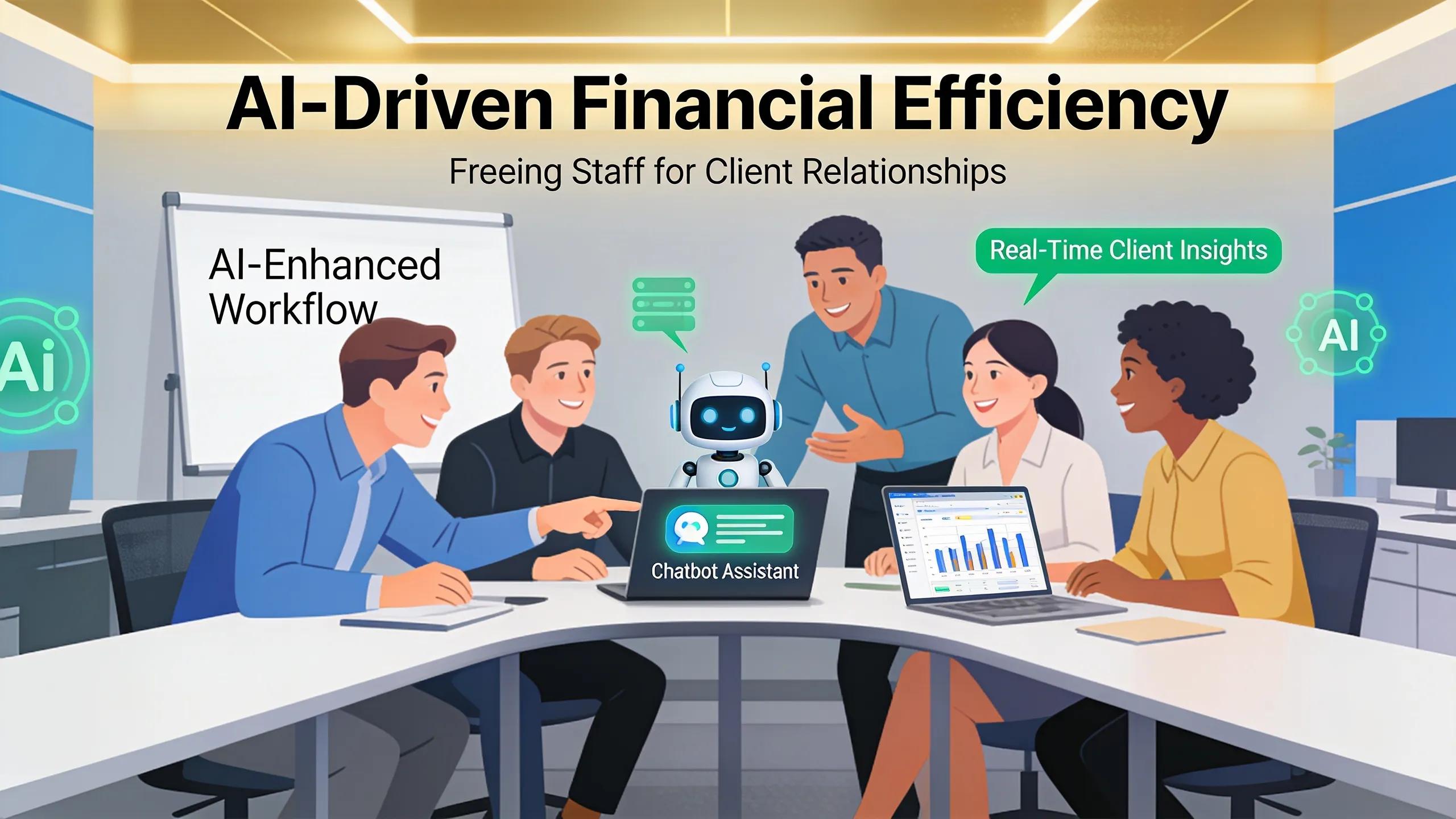
Effective collaboration between humans and AI in financial processes can enhance operational efficiency and accuracy. By leveraging AI’s capabilities for data analysis and pattern recognition, CEOs can empower financial teams to focus on strategic planning and decision-making. Case studies highlight the success of organizations that have effectively combined human intuition with AI efficiency, resulting in streamlined workflows and greater financial insight. These collaborative approaches promote a culture of innovation, encouraging teams to embrace advanced technologies in their operational strategies.
AI-Powered Predictive Financial Forecasting
AI-powered predictive financial forecasting offers a transformative approach to financial planning. By utilizing machine learning algorithms, businesses can achieve greater accuracy in forecasting future financial performance. This integration facilitates proactive decision-making, allowing executives to respond swiftly to market changes. The technology aids in integrating predictive analytics into financial strategies, further enhancing capability in navigating uncertainties. As service businesses increasingly adopt AI-driven methodologies, they not only optimize financial forecasting but also prepare themselves for long-term success in a rapidly evolving marketplace.
Benefits of Using Predictive Analytics
Engaging predictive analytics in financial operations presents several advantages, including:
- Enhanced Decision-Making: Data-driven insights support strategic planning.
- Increased Efficiency: Automation reduces time spent on manual forecasting.
- Risk Mitigation: Early identification of potential financial issues enables proactive management strategies.
For effective implementation of the financial controls discussed, CEOs should take several essential steps:
- Establish Clear Financial Controls: Create a structured framework for financial management that includes defined roles and SOPs.
- Embrace Technology for Cash Flow Forecasting: Integrate advanced cash flow forecasting systems that offer real-time insights.
- Develop a KPI Dashboard: Implement a comprehensive financial KPI dashboard to facilitate data-driven decision-making.
- Cultivate a Culture of Financial Awareness: Engage all team members in understanding the importance of financial metrics in driving business success.
By following these steps, business leaders can build a robust financial framework that supports predictable profit and long-term stability. Fostering a proactive financial culture empowers service businesses to navigate challenges effectively while seizing opportunities for growth and innovation.